-
Kicks in pre-Columbian fighting arts
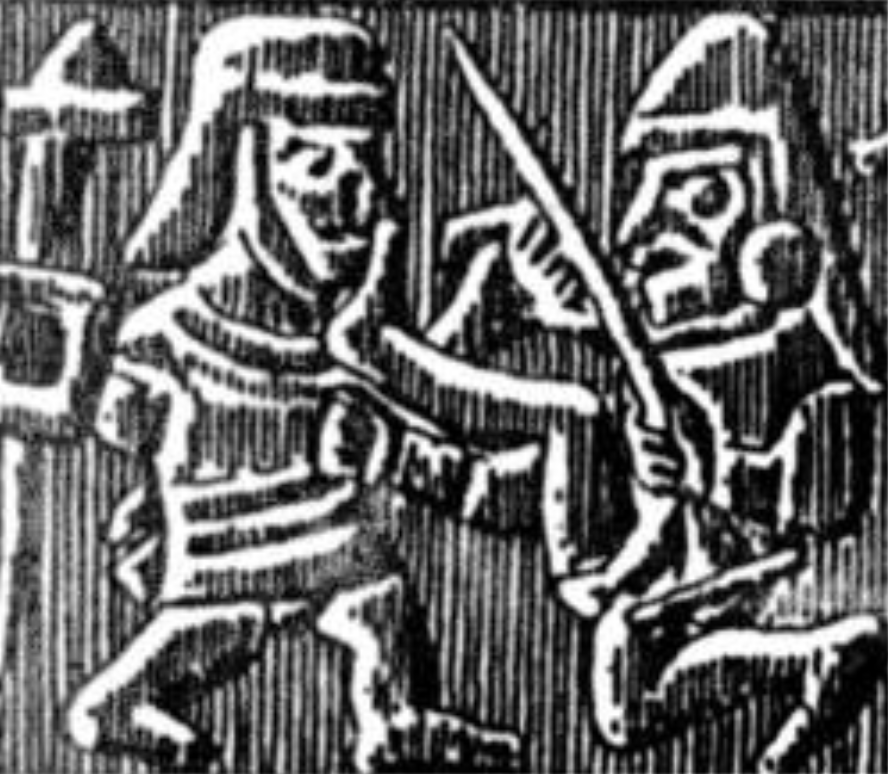
In 2005, I wrote a short piece on martial arts in pre-Columbian South America. It was written in response to a discovery by Agustín Seguí (1949–2023), who taught at Saarland University and headed the Spanish Department at the Institute of Applied Linguistics there. In 2003, he was the first to publish on what he described… Continue reading
-
The 1927 photograph and the early misidentification of karate in Europe
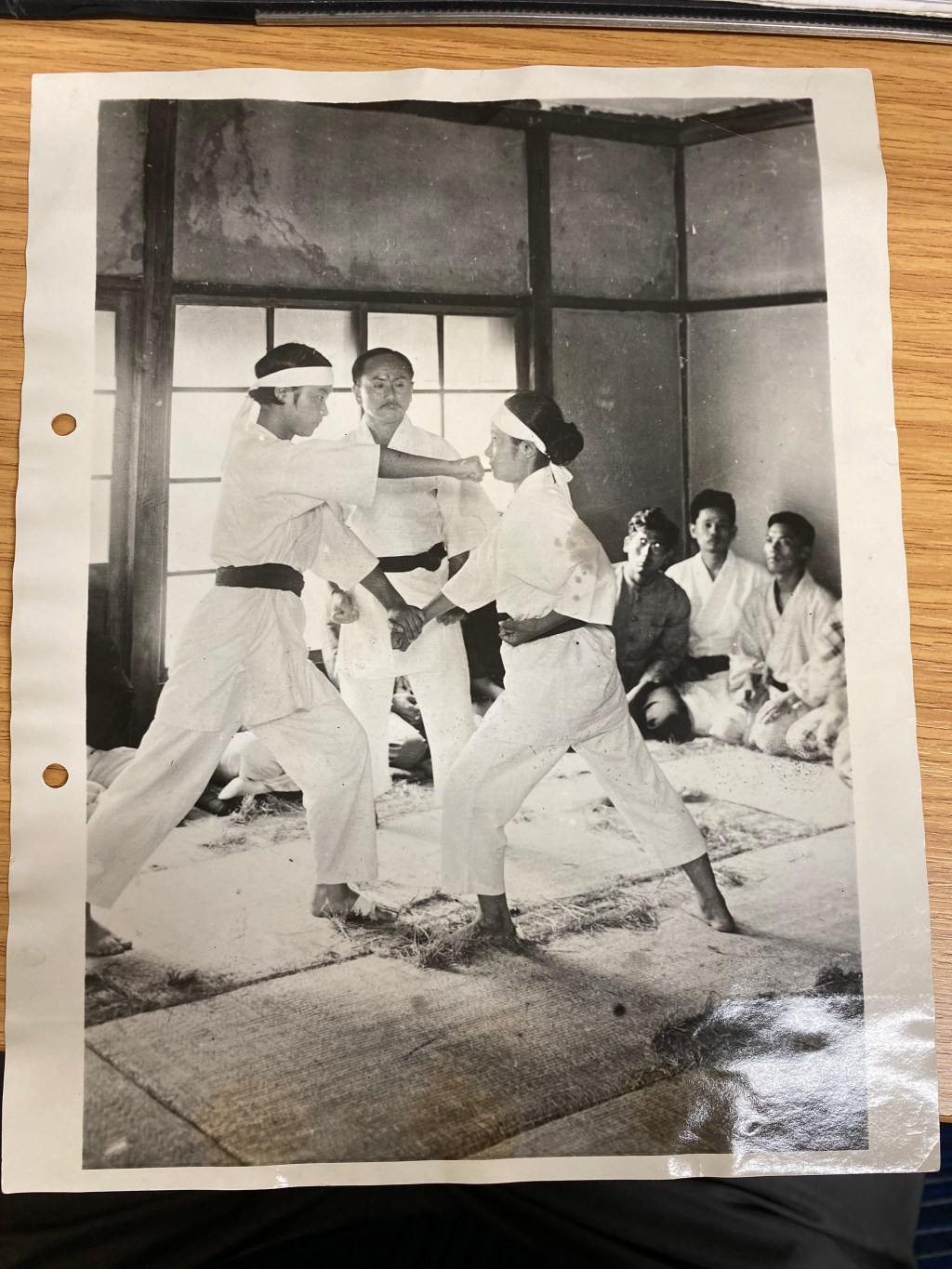
Knowledge about karate outside Japan before the end of the Second World War was extremely limited. Apart from a few early mentions in Western publications—such as those by Ernest Satow in 1872/3 and William Furness in 1899—information about the art remained scarce. There were, however, occasional points of contact. Overseas Okinawan communities, for example in… Continue reading
-
Investigations, Volume 2 available now
Volume 2 of “Investigations into the history of karate” is available now. Based on this blog, the book traces a range of historical contexts in which karate surfaces, from everyday settings such as plantations in Hawaiʻi around 1900 and personal diary entries from the early twentieth century. Other contributions draw on visual and textual sources,… Continue reading
-
Book about Izumikawa karate lineage published
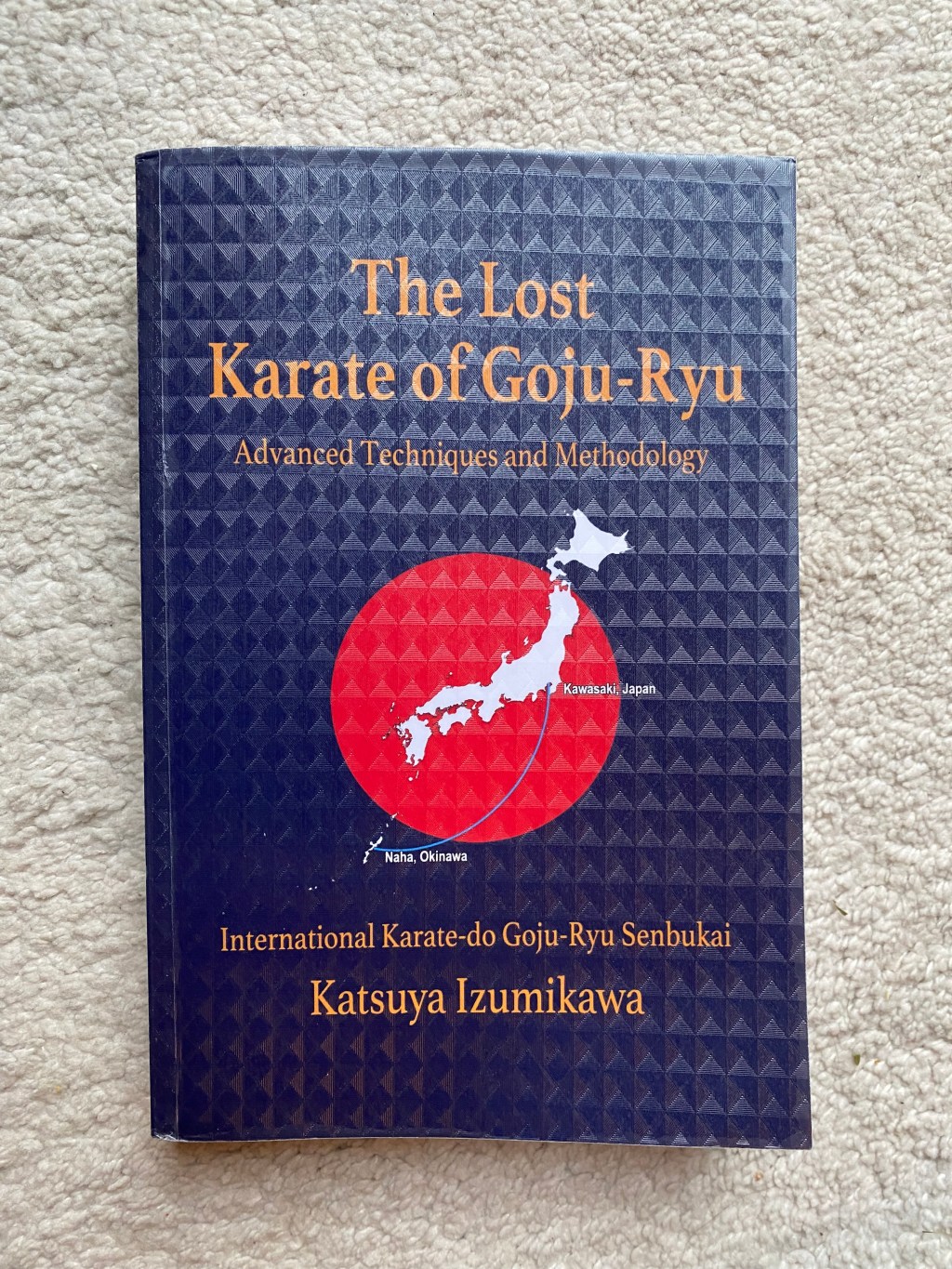
Last week, I received a personal copy of The Lost Karate Goju-ryū: Advanced Techniques and Methodology by Izumikawa Katsuya 泉川勝也. Izumikawa is the son of Izumikawa Kanki 泉川寛喜 (1908– 1967), the founder of Senbukai, who relocated from Okinawa to the Japanese mainland and established his dōjō in Kawasaki in 1939—the first Goju-ryū school on the… Continue reading
-
Remembering Miyagi Chōjun: A conversation with his grandson on the Chōjunkan project
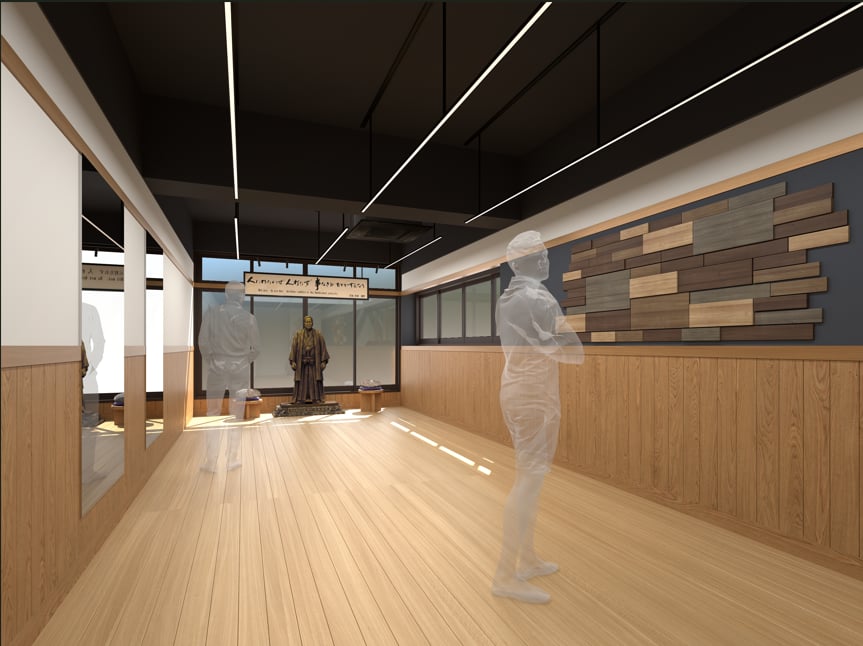
Okinawa is the island of karate. It may sound like a marketing slogan, but it is simply true. The island is home to hundreds of karate dōjō; every year, countless visitors travel to Japan’s southernmost prefecture to explore the birthplace of karate and kobudō, to train, and to immerse themselves in the history of the… Continue reading
-
Bringing Funakoshi Gigō’s thoughts to English readers for the first time
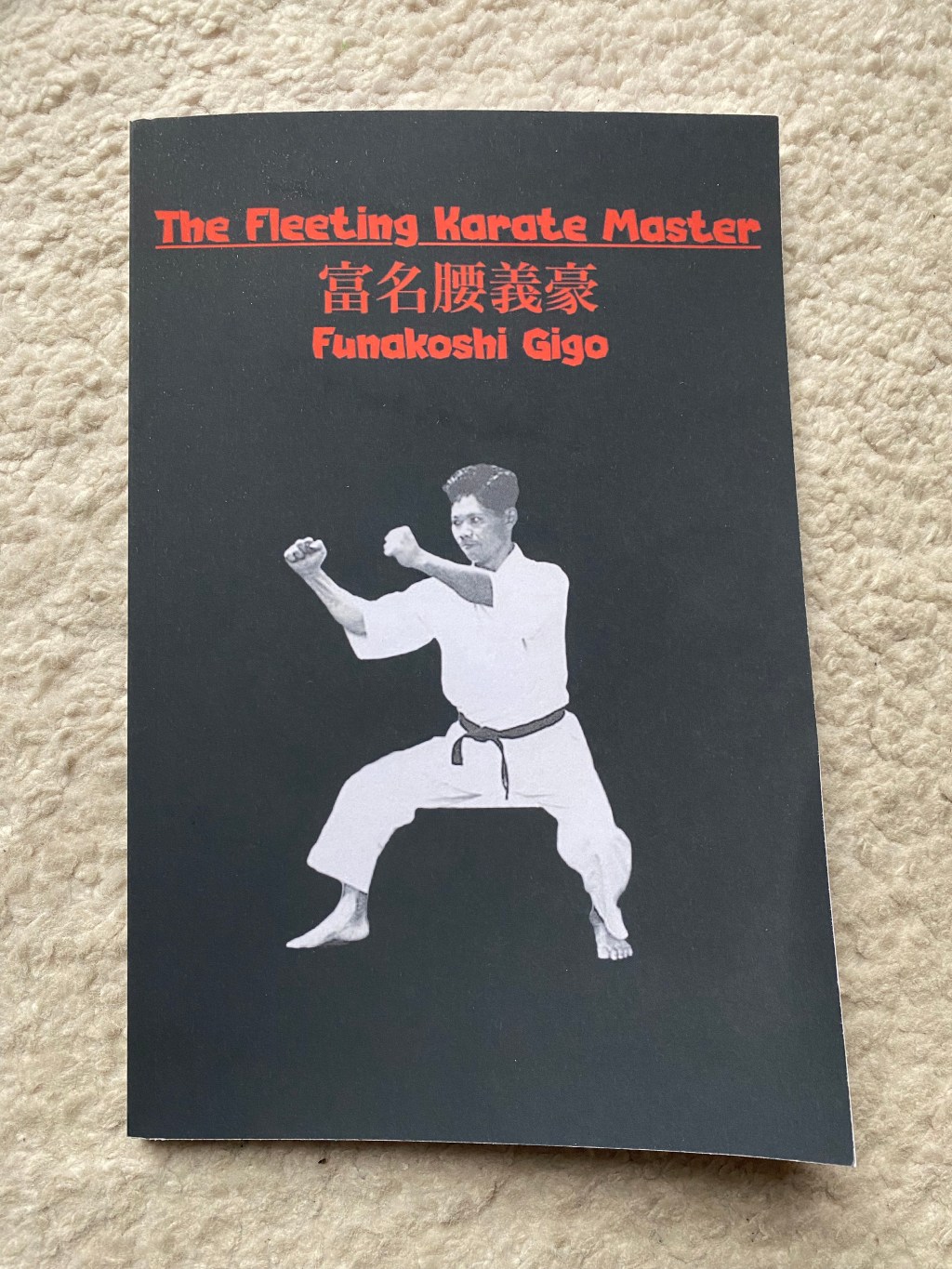
Eric Shahan, a highly accomplished translator known for his numerous English editions of classic Japanese martial arts texts—from ninjutsu and jūjutsu treatises to seminal karate works by masters such as Mabuni Kenwa and Motobu Chōki—once again delivers a remarkable contribution to the study of traditional martial arts. With The Fleeting Karate Master: Funakoshi Gigō, his… Continue reading
-
A remarkable yearbook find: New light on an old photograph
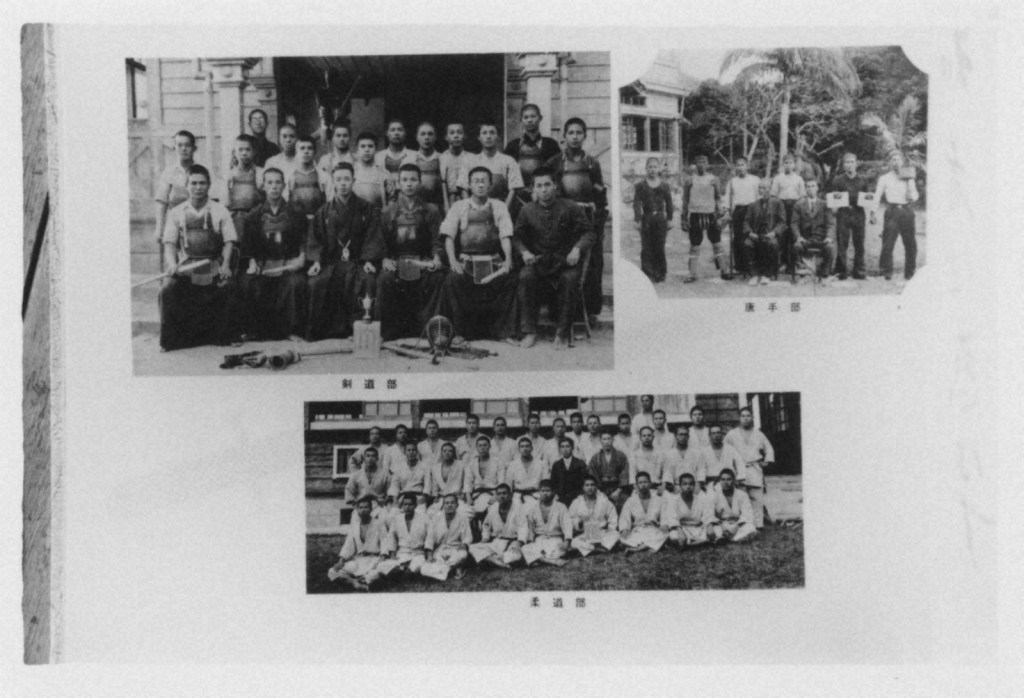
When Yabu Kentsū 屋部 憲通 (1866–1937) returned from his time in North America (1919–1927) in the late 1920s, he was again employed at the Okinawa Shihan Gakkō (Okinawa Normal School) in Shuri, located not far from his home. At that time, he was one of the most senior karate masters in Okinawa and as a… Continue reading
-
A previously overlooked manuscript (1936)

Handwritten historical sources on karate are exceedingly rare. Whenever one surfaces, it electrifies the karate world—especially the small circle of karate historians. One need only recall the unique book by Kyan Chōtoku (1870–1945), discovered some time ago, translated by Patrick McCarthy, and later made accessible as part of an anthology on the master in 2023.… Continue reading
-
The physics of karate: A chapter in modern karate history
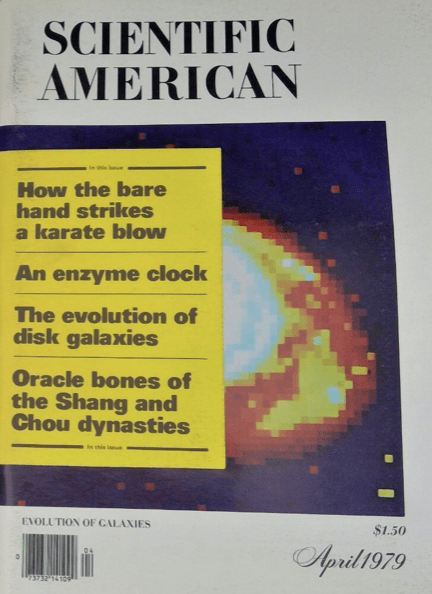
The study of karate is multifaceted. In addition to its history, sports science, pedagogy, psychology, anthropology, sociology, philosophy, religious studies, media and film studies, researchers have also explored the physics of karate. First studies Scholarly interest in this subject in the Western Hemishpere likely began around the mid-1960s. On July 2, 1966, J. A. Vos… Continue reading
-
Yamakawa – Ancestral home of karate masters
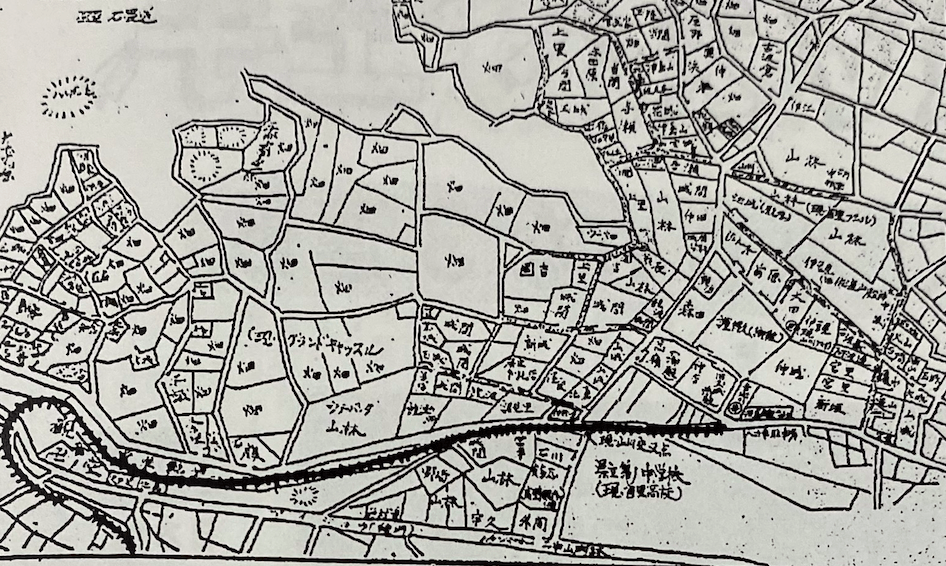
Yamakawa, a district in Shuri (Okinawa) just a few minutes’ walk from Shuri Castle, was once home to many aristocratic families—the scholar-officials of the Ryūkyū Kingdom. The neighborhood looked much like a traditional Ryūkyūan village, with both small and large houses that reflected the social status of their residents. The homes were wooden and single-storied,… Continue reading
-
Subscribe
Subscribed
Already have a WordPress.com account? Log in now.
 Investigations into the history of karate